
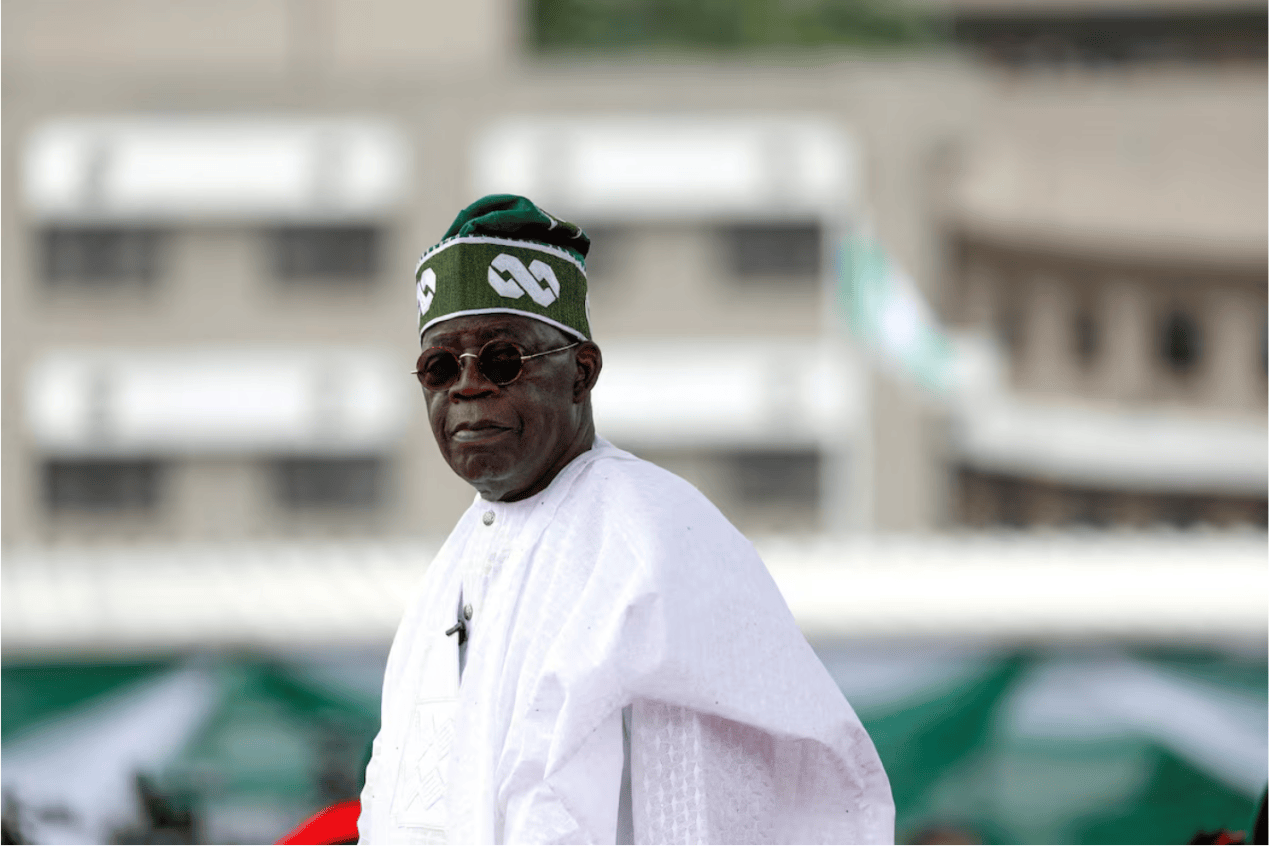
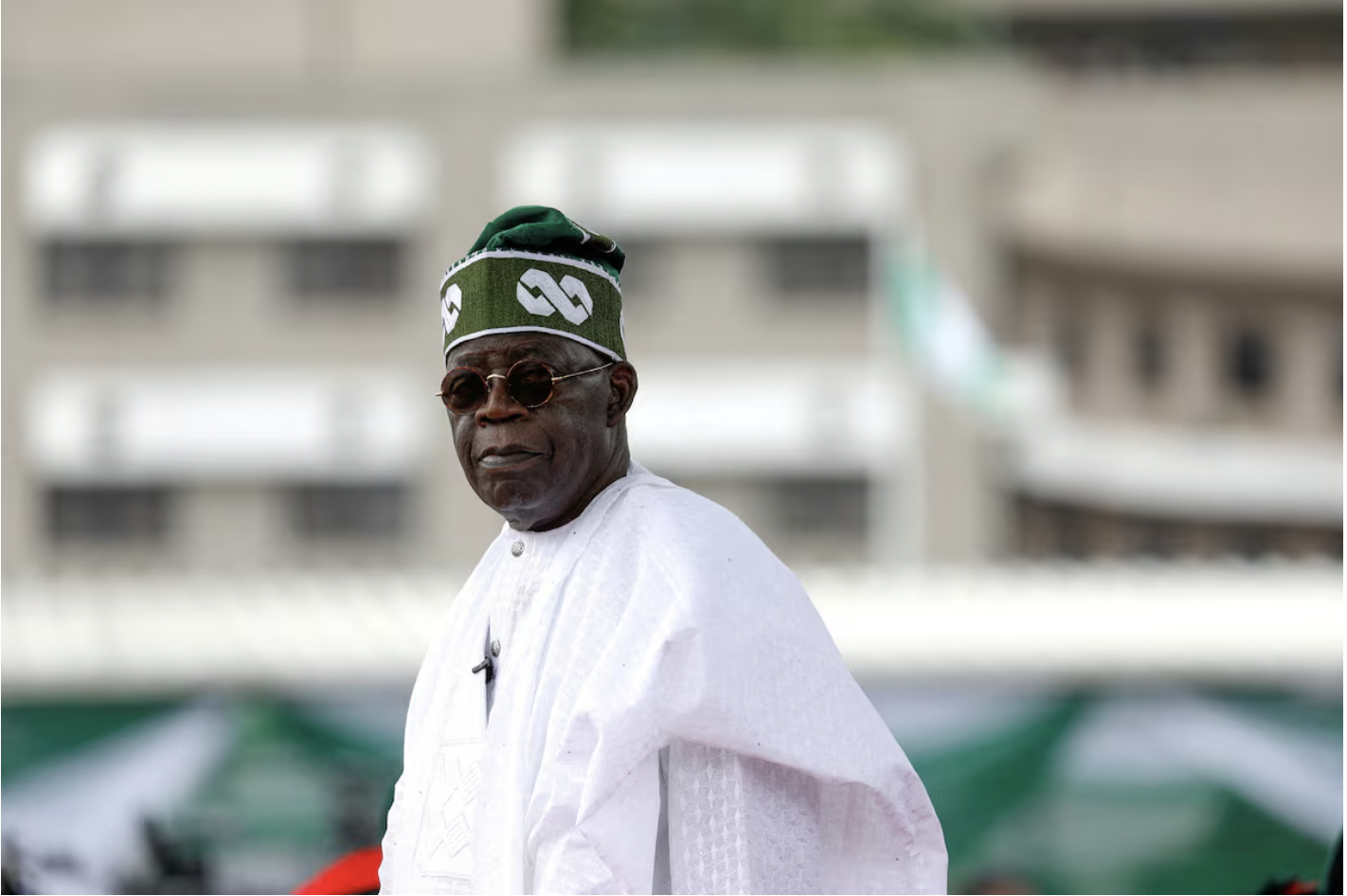
I support the economic reforms being pursued by President Bola Tinubu’s administration. Several of the decisions taken over the past three years, alongside key appointments at the Central Bank of Nigeria and the Ministry of Finance, have reinforced my belief that there is finally a serious intention to confront problems Nigeria has carried for far too long. I expect a backlash from my friends for writing this, but let me discuss my position in a scattershot of thoughts.
I want this government to succeed. I want Nigeria to become a country where ordinary citizens can build something worthwhile and have a reasonable chance of seeing it prosper. Like many Nigerians, I am exhausted by endless talk of our “potential” while the structural conditions required to realise it remain untouched.
The hardship Nigerians are enduring today is acute and undeniable. Food prices, transport fares, and basic household expenses have pushed millions of families to their limits. People have every right to question the government, voice their frustration, and demand relief. But an honest public debate cannot begin and end with our pain. It must also confront the paraplegic economy we have been operating and reckon with the catastrophic cost of continuing the arrangements that existed before.
As another election approaches, the familiar call for a policy reversal, or an easy political reset, is gaining momentum. To surrender to that impulse would be to repeat Nigeria’s most damaging historical habit of initiating painful, overdue reforms, panicking at the first political resistance, and restarting from an even weaker baseline years later.
The Myth of the Painless Alternative
Much of the criticism directed at these reforms rests on an illusion that there was a painless, gradual alternative that the government simply chose to ignore.
Critics frequently argue that the petrol subsidy should have been phased out slowly. Yet they rarely explain how a phased transition would have been financed. The 2023 federal budget provided for the petrol subsidy only through June of that year. Extending it would have required massive supplementary funding. Where was that money supposed to come from?
Nigeria was already spending far more than its revenues could support, plugging the crater through Central Bank advances and unsustainable borrowing. As President Buhari acknowledged when signing the 2023 budget, accumulated Ways and Means advances had long been used to cover shortfalls in expected revenues and debt service obligations. The country was borrowing to fund consumption. Those who advocate a slower transition must answer honestly: Which public services should have been cut? Which revenues tapped? Or should we have simply borrowed until sovereign default arrived?
The public debate around subsidy “savings” also requires clarity. Removing the subsidy stopped a crippling fiscal drain, preventing trillions of naira from being swallowed by fuel under-recovery before ever reaching the Federation Account. But halting a fiscal hemorrhage is not the same as generating a surplus ready for immediate spending. When an insolvent state stops borrowing to finance cheap fuel, it must still borrow or reallocate to meet its basic commitments. Ending a debt trap stabilizes public finance; it does not instantly create an era of plenty.
Supporting these reforms does not mean giving the state a blank cheque. The public deserves absolute transparency regarding remittances, outstanding liabilities, and the exact flow of revenues between the state oil company and public accounts. But demanding transparency is fundamentally different from demanding a retreat.
Moving Beyond the Wealth Illusion
The deeper challenge facing Nigeria is psychological. We must unlearn the myth that natural resources make us inherently wealthy.
Oil, solid minerals, and vast arable land represent opportunities, not prosperity. Wealth is created by productive human labour, efficient institutions, and a vibrant tax base. Dividing Nigeria’s modest oil revenues among more than 220 million citizens yields very little per person.
For decades, fuel subsidies and an artificially pegged exchange rate masked a low-productivity economy, making imported goods artificially cheap while punishing domestic enterprise. Most Nigerian workers remain concentrated in low-skill, informal trade with minimal earnings. We will not solve poverty through government handouts but by increasing the value of what our people produce.
A farmer needs storage, processing facilities, and rural roads to turn a harvest into wealth. A fabricator needs modern machinery, reliable electricity, and technical expertise to take on industrial contracts. This is why the state’s primary role cannot be serving as the employer of last resort or the provider of cheap consumer subsidies. Its responsibility is to guarantee security, build essential infrastructure, enforce fair market rules, and invest heavily in human capital, such as technical and vocational education and student financing initiatives like NELFUND, so that enterprise can thrive.
The Terms of the Social Contract
If citizens are asked to endure the severe discipline of economic reform, the government must demonstrate equal seriousness in its own conduct.
Reform credibility rests on shared sacrifice. The public cannot be expected to accept belt-tightening while political officeholders indulge in institutional waste, bloated convoys, and lavish operational spending. The state must drastically trim the cost of governance, eliminate redundant agencies, and enforce strict accountability for public funds. Economic discipline cannot be a one-way street demanded only of the governed.
My Verdict? Stay the Course
Nigeria cannot afford another policy somersault. Three years is the foundation-laying stage of structural reform, not enough time for a harvest.
Emerging economies that achieved sustained prosperity did not do so by changing economic direction with every electoral cycle. We have already paid the price of policy reversals in our own history. When the decision to privatize state refineries was reversed nearly two decades ago during the Obasanjo-Yar’Adua transition, Nigeria threw away the chance at domestic energy security and condemned itself to two decades of a corrupt subsidy regime that nearly broke the nation.
We stand at that same precipice today. The hardest groundwork has been laid: the unsustainable subsidies have ended, exchange rate distortions have been dismantled, and domestic refining is finally emerging. Abandoning this course now will not bring back cheap living. It will trigger currency collapse, invite hyperinflation, and wipe out the painful sacrifices citizens have already made.
Staying the course is not an act of blind partisan loyalty. We do not even have strong ideological platforms to court that. It is a strategic commitment to national self-preservation. I want more Nigerians to earn a dignified living from what they know, make, and do. That future requires us to hold our government accountable, build our domestic productivity, and refuse the temptation to turn back.

