
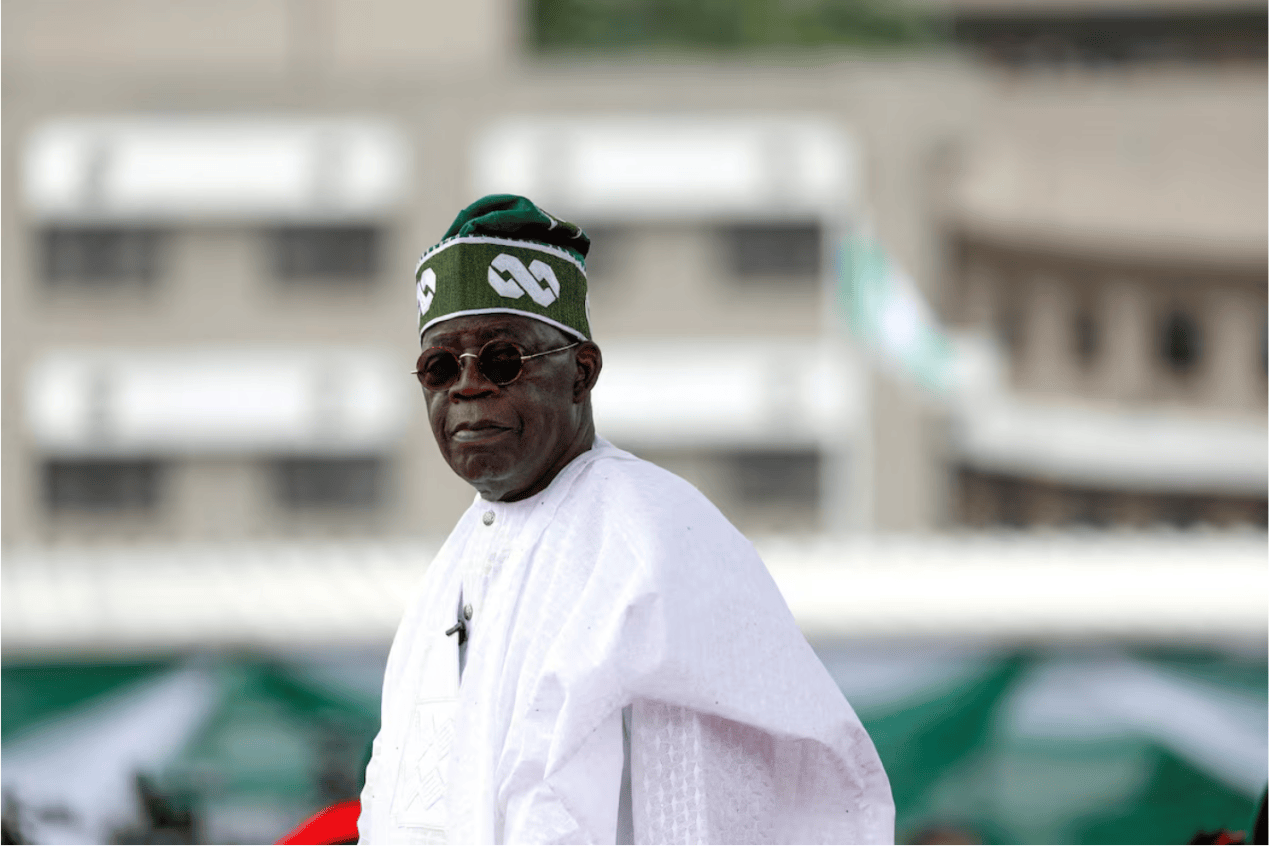
I support the economic reforms being pursued by President Bola Tinubu’s administration. Several of the decisions taken over the past three years, alongside key appointments at the Central Bank of Nigeria and the Ministry of Finance, have reinforced my belief that there is finally a serious intention to confront problems Nigeria has carried for far too long. I expect a backlash from my friends for writing this, but let me discuss my position in a scattershot of thoughts.
I want this government to succeed. I want Nigeria to become a country where ordinary citizens can build something worthwhile and have a reasonable chance of seeing it prosper. Like many Nigerians, I am exhausted by endless talk of our “potential” while the structural conditions required to realise it remain untouched.
The hardship Nigerians are enduring today is acute and undeniable. Food prices, transport fares, and basic household expenses have pushed millions of families to their limits. People have every right to question the government, voice their frustration, and demand relief. But an honest public debate cannot begin and end with our pain. It must also confront the paraplegic economy we have been operating and reckon with the catastrophic cost of continuing the arrangements that existed before.
As another election approaches, the familiar call for a policy reversal, or an easy political reset, is gaining momentum. To surrender to that impulse would be to repeat Nigeria’s most damaging historical habit of initiating painful, overdue reforms, panicking at the first political resistance, and restarting from an even weaker baseline years later.
Continue reading
 Thoughts of a Calabarboy.