
I was born and baked in Lagos. My family’s Lagos story began in 1945 when my grandfather, a police officer, was transferred to Lagos. Nearly every member of my paternal family has called Campbell Street in Lagos Island, home. We’ve had front-row seats and sometimes backstage passes, to the ever-evolving drama of this megacity. One of us even became the chief of a well-known Lagos family house.
I earned my Lagos badge the gritty way: inhaled the pungent mix from clogged gutters, sang praises with scourges of mosquitoes, devoured asáró, Ewa Agayin and Agege “buredi” from street vendors, and played barefoot “monkey post” football in alleys. I watched from the sidelines at Campos Mini Stadium and witnessed the last of the “Agbepo” night-soil men on their ghostly rounds.
These lived experiences fascinated me and made me curious about how a megacity functions. What does it take to govern a place like Lagos? That curiosity deepened during my postgraduate studies when I audited a course titled “New York City Politics.” Then, I understood how cities use policy, planning, and emerging technologies to shape more livable urban environments. Courses like Leadership & Strategy by Doug Muzzio and Mapping for Policy by Deborah Balk were also central to my learning.
Tag Archives: Nigeria
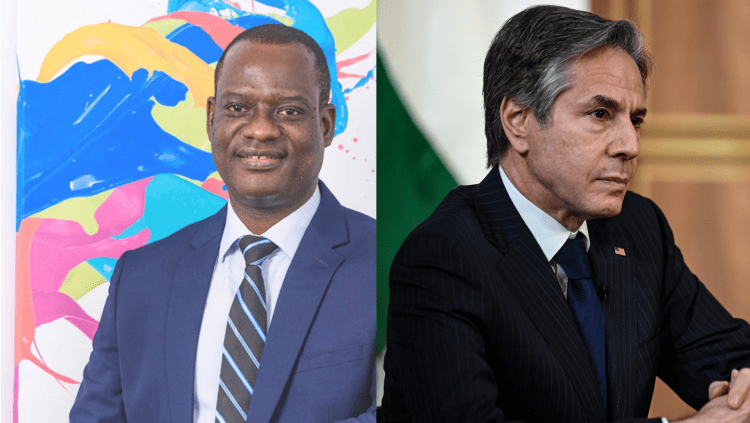
Reclaiming Journalism: Elevating Policy Over Political Drama

One of the greatest needs of human society today is to resist the temptation of letting politics overshadow the narratives of development. Unfortunately, this has become increasingly common, leading to the erosion of qualitative conversations about substantive issues. Add to this the high-speed consumption of information and the democratized media space, and we find ourselves caught in a spiral of ugly dialectics, yielding little more than sensationalized reportage with no progressive value.
More troubling, however, is how journalists, who are meant to shape public discourse by asking intelligent questions of those in power, often veer into the realms of mischief. They court political jesters who “must politic” instead of engaging meaningfully with policy experts. Even when they sit down with individuals who staff the critical nerves of public policy, their focus tends to remain firmly on politics, leaving policy discussions as an afterthought.
Continue reading
Public Policy and the Critical Factors of Time, Skills, Resources, and People (2)

Skills – The Engine of Policy Execution
Skills are the lifeblood of effective policy implementation. Public policy is about ideas translated into action, and the competence of the individuals and institutions involved determines whether those ideas thrive or flounder. While the vision of a policy may be grand, without the right skills to design, execute, and adapt it, even the best-intentioned efforts will fall flat. Conversely, skilled policymakers bring so much wisdom into how governments deliver on their mandate and promises.
In public policy, skills operate on multiple levels. Policymakers require analytical skills to craft sound policies, negotiation skills to build consensus, and foresight to anticipate challenges. On the other hand, the bureaucrats and technocrats who implement these policies need the technical know-how to translate concepts into actionable programs. Then there are the citizens, whose awareness and participatory skills can significantly influence a policy’s reception and success.
Continue reading Thoughts of a Calabarboy.