
There is a coming crisis. Whether you are an individual, family, institution, or community. It is already taking shape, but you are ignoring it right now because the solution looks insignificant.
History and experience show us that the disasters we face, whether in our personal lives, families, businesses, faith, or society, rarely emerge suddenly. They are often the result of small, ignored actions that seemed too trivial to matter.
I recently tried to rewatch James Cameron’s Titanic and understood a few more details I never considered. Before its infamous collision with an iceberg in April of 1912, there were several warning signs. The ship’s crew received multiple iceberg alerts from other vessels, yet these warnings were either dismissed or not properly relayed. Even a tool as small as binoculars was not given to the lookout, who eventually shouted, “Iceberg!”.
The ship was also designed with fewer lifeboats than needed, a seemingly small decision justified by aesthetics, overconfidence, and merely obeying the legal requirements. Had these “insignificant” details been handled differently, the scale of the disaster might have been mitigated.
This pattern repeats itself in companies that ignore simple information “insignificant employees” may have or dismiss shifting market trends, in individuals who neglect their health until it becomes a crisis, or in leaders who avoid uncomfortable but necessary conversations until trust is broken beyond repair.
What is that “small” action you’re putting off? A five-minute call to check in with a key client? A difficult but necessary conversation with a loved one? A decision to upskill before your job becomes obsolete?
The future is shaped by the small decisions we make today. We shouldn’t wait for a crisis to prove what should have been obvious. The insignificant action we take now could be the lifeline that saves us later. Our crisis prevention should start today.
Question: What small but important action are you delaying to take right now?
Tag Archives: news

Reclaiming Journalism: Elevating Policy Over Political Drama

One of the greatest needs of human society today is to resist the temptation of letting politics overshadow the narratives of development. Unfortunately, this has become increasingly common, leading to the erosion of qualitative conversations about substantive issues. Add to this the high-speed consumption of information and the democratized media space, and we find ourselves caught in a spiral of ugly dialectics, yielding little more than sensationalized reportage with no progressive value.
More troubling, however, is how journalists, who are meant to shape public discourse by asking intelligent questions of those in power, often veer into the realms of mischief. They court political jesters who “must politic” instead of engaging meaningfully with policy experts. Even when they sit down with individuals who staff the critical nerves of public policy, their focus tends to remain firmly on politics, leaving policy discussions as an afterthought.
Continue reading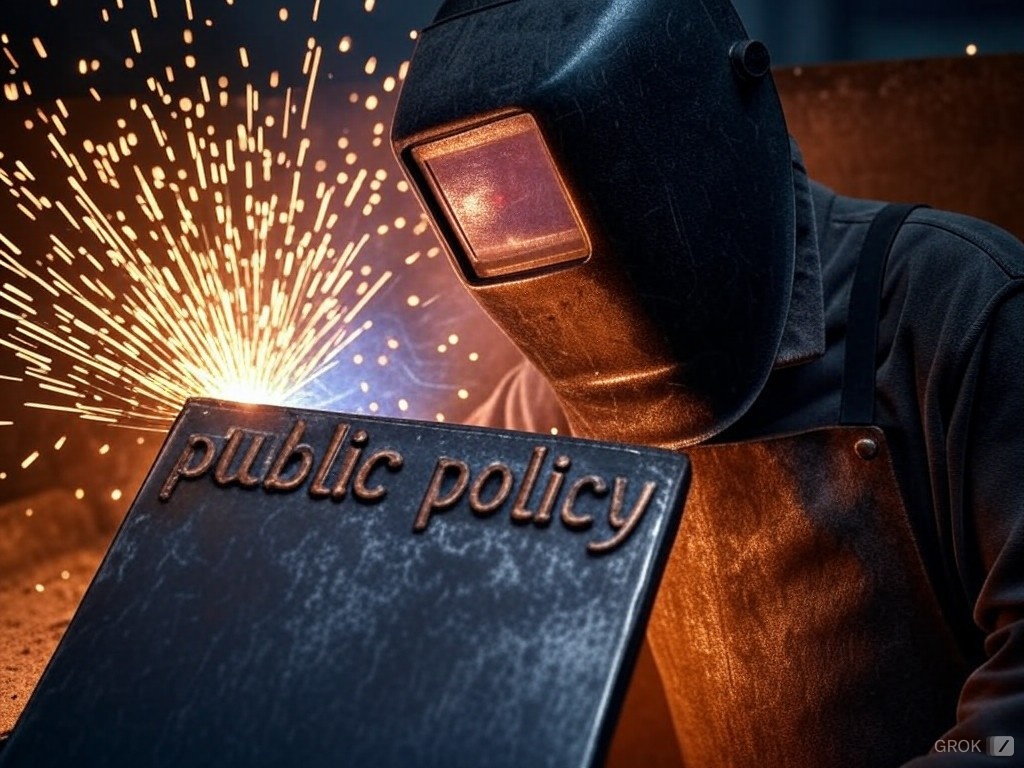
Public Policy and the Critical Factors of Time, Skills, Resources, and People (2)

Skills – The Engine of Policy Execution
Skills are the lifeblood of effective policy implementation. Public policy is about ideas translated into action, and the competence of the individuals and institutions involved determines whether those ideas thrive or flounder. While the vision of a policy may be grand, without the right skills to design, execute, and adapt it, even the best-intentioned efforts will fall flat. Conversely, skilled policymakers bring so much wisdom into how governments deliver on their mandate and promises.
In public policy, skills operate on multiple levels. Policymakers require analytical skills to craft sound policies, negotiation skills to build consensus, and foresight to anticipate challenges. On the other hand, the bureaucrats and technocrats who implement these policies need the technical know-how to translate concepts into actionable programs. Then there are the citizens, whose awareness and participatory skills can significantly influence a policy’s reception and success.
Continue reading Thoughts of a Calabarboy.