

One of the greatest needs of human society today is to resist the temptation of letting politics overshadow the narratives of development. Unfortunately, this has become increasingly common, leading to the erosion of qualitative conversations about substantive issues. Add to this the high-speed consumption of information and the democratized media space, and we find ourselves caught in a spiral of ugly dialectics, yielding little more than sensationalized reportage with no progressive value.
More troubling, however, is how journalists, who are meant to shape public discourse by asking intelligent questions of those in power, often veer into the realms of mischief. They court political jesters who “must politic” instead of engaging meaningfully with policy experts. Even when they sit down with individuals who staff the critical nerves of public policy, their focus tends to remain firmly on politics, leaving policy discussions as an afterthought.
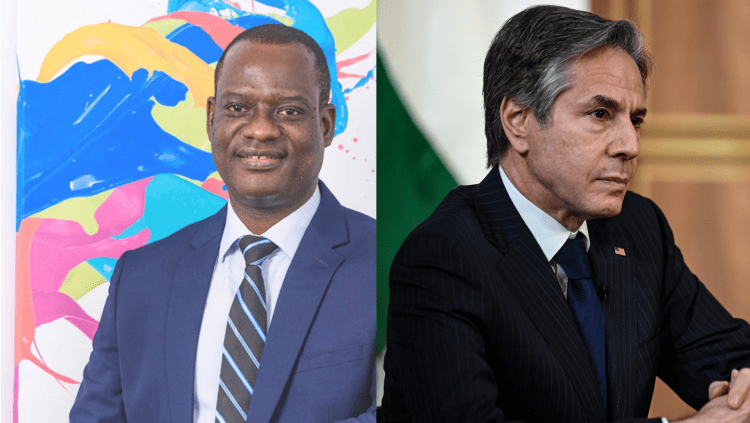
This misalignment was glaring in two interviews I followed closely this week. The first was with outgoing U.S. Secretary of State Antony Blinken, hosted by New York Times journalist Lulu Garcia-Navarro. Here was an opportunity to probe deeply into policy matters with a seasoned technocrat, yet the discussion leaned toward political theatrics. Despite Blinken’s clear boundary-setting—”I don’t do politics; I do policy”—Navarro repeatedly returned to political framing. Her fourth question even began with the disingenuous, “I’m not asking you to do politics. I’m just asking for a little reflection,” before subtly steering back to political territory, including questions about President Biden’s health. While the interview did touch on policy, it was peppered with moments that felt designed for political soundbites rather than meaningful dialogue.
A similar pattern played out in Nigeria, during Dr. Reuben Abati’s interview with Mr. Taiwo Oyedele, Chairman of the Presidential Committee on Fiscal Policy and Tax Reforms. Mr. Oyedele, a well-known voice on tax reforms, has been tirelessly engaging the media to articulate his work. Yet, Dr. Abati’s questions brought little freshness or depth to the discussion. Instead of probing into the technicalities or implications of the reform agenda, the interview pivoted toward justifying President Bola Tinubu’s statement during a recent media parley that there was “no going back” on the Tax Reform Bill. Why that political assertion was presented as Mr. Oyedele’s responsibility to address is both puzzling and frustrating.
These two instances highlight a broader trend in journalism today: a misguided fervour for sensationalism at the expense of substantive inquiry. By constantly framing discussions with policy officials through the lens of politics, journalists risk depriving society of the thoughtful engagement it needs on issues that affect lives and livelihoods.
What society stands to gain from a redirection of focus is immense. Instead of playing to the whims of political journalism, journalists must elevate their craft by asking sharper, policy-centred questions and enabling the kind of dialogue that informs and empowers the public. The individuals doing the “trench work” of governance deserve the chance to speak on their terms, not be drawn into the theatrics of the political arena.
 Thoughts of a Calabarboy.