
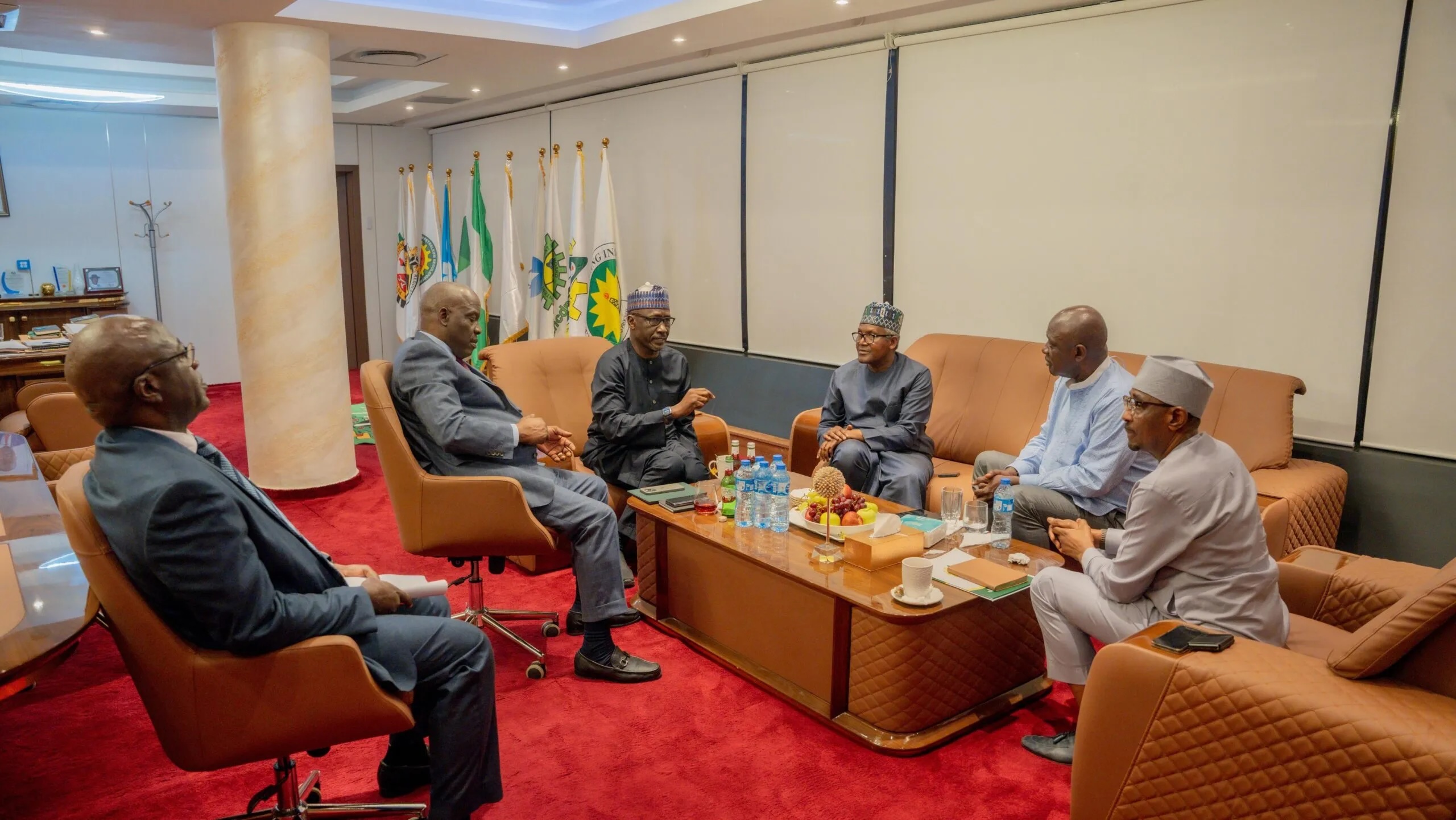
In the intricate dance of leadership and governance, timing and ethics are paramount. I do hope President Bola Tinubu understands this. When we fail to do what is right and at the right time, we often find ourselves ensnared in a web of unnecessary efforts to resolve the consequences. This truth is painfully evident in the Nigerian oil sector, where malfeasance and unrestrained interests against the common good have led to a credibility crisis. This photo-op simply reveals more about curbing interests than bringing solutions.
The Nigerian oil sector once heralded as the backbone of the nation’s economy, is now a cautionary tale of missed opportunities and ethical lapses. The principal characters in this sector have, for too long, prioritized personal gain over national interest. This has not only stunted the sector’s growth but also eroded public trust.
When leadership fails to address corruption and self-serving interests, it sends a clear message: that the pursuit of personal gain is acceptable, even at the expense of the nation’s welfare. This unchecked behavior breeds inefficiency, and in the end, discourages investment as we are currently experiencing. The ultimate decline in the sector’s performance is nothing that could not have been easily predicted 25 years ago. Continue reading
 The fundamental challenge for leadership in any country with a disparate collection of nationalities is how to articulate the desires and aspirations of such Peoples and design a grand concept which satisfactorily meets the expectations of everyone. It is even more complex when one cannot trace a central ideology within each of such heterogeneous groups. How then does the leadership begin to conceive of and to interpret what each group wants, and how does each need become the balancing ingredient to concoct a national broth? This is probably one of the great challenges of the Nigerian state since it began striding the paths of nationhood.
 Thoughts of a Calabarboy.