
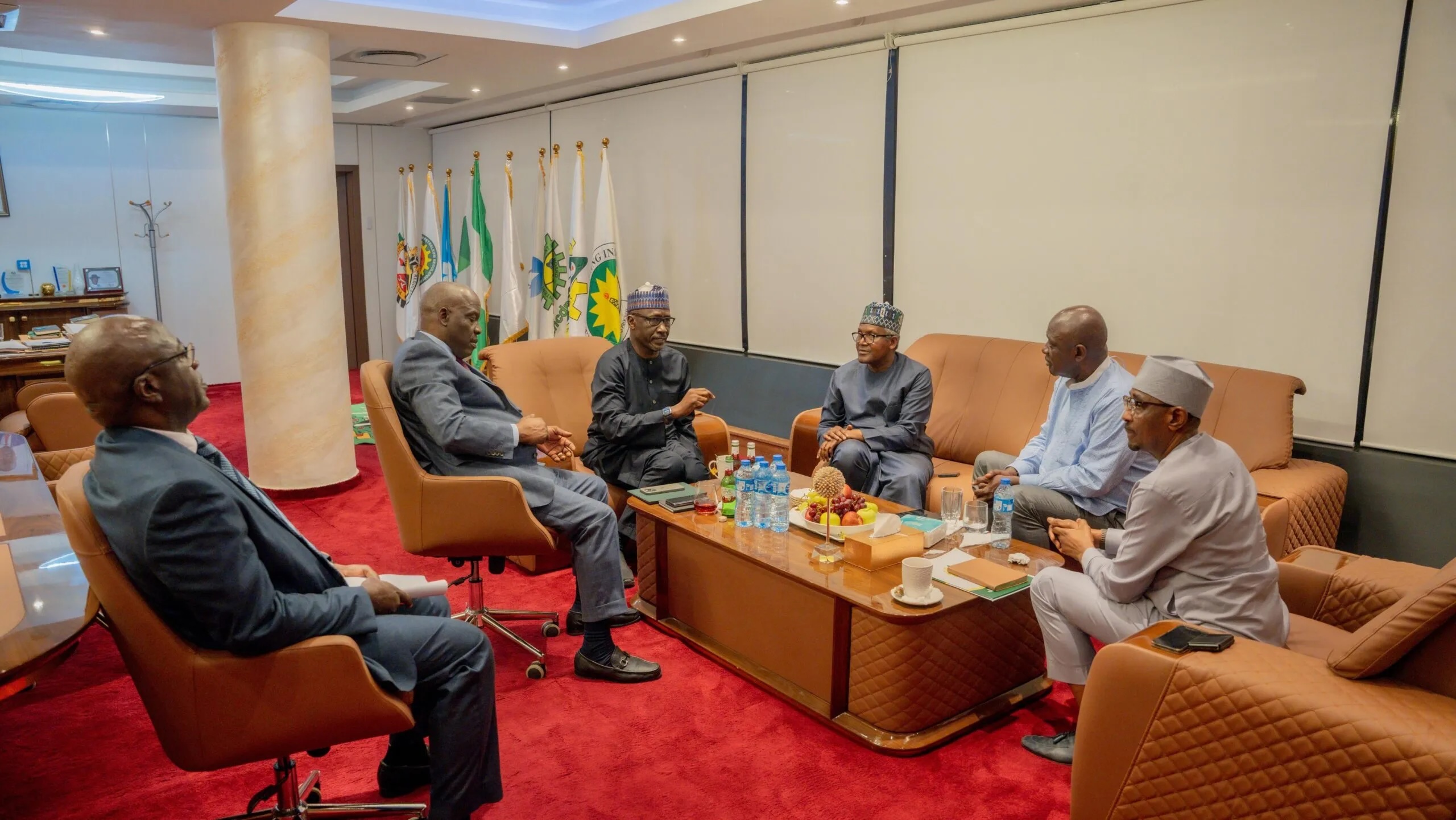
In the intricate dance of leadership and governance, timing and ethics are paramount. I do hope President Bola Tinubu understands this. When we fail to do what is right and at the right time, we often find ourselves ensnared in a web of unnecessary efforts to resolve the consequences. This truth is painfully evident in the Nigerian oil sector, where malfeasance and unrestrained interests against the common good have led to a credibility crisis. This photo-op simply reveals more about curbing interests than bringing solutions.
The Nigerian oil sector once heralded as the backbone of the nation’s economy, is now a cautionary tale of missed opportunities and ethical lapses. The principal characters in this sector have, for too long, prioritized personal gain over national interest. This has not only stunted the sector’s growth but also eroded public trust.
When leadership fails to address corruption and self-serving interests, it sends a clear message: that the pursuit of personal gain is acceptable, even at the expense of the nation’s welfare. This unchecked behavior breeds inefficiency, and in the end, discourages investment as we are currently experiencing. The ultimate decline in the sector’s performance is nothing that could not have been easily predicted 25 years ago.
Moreover, the consequences of inaction extend beyond the oil sector. The credibility challenge faced by this industry affects the entire national landscape. When the then-CBN Governor cried out about unrestrained corruption within the NNPC, it was a terrible signal to potential investors. Today, Investors have become wary, the populace has grown disillusioned, and the country’s reputation suffered tremendous injury. It becomes a vicious cycle where the cost of inaction far outweighs the effort required to implement ethical and timely solutions.
Addressing these issues demands a commitment to integrity and transparency. It requires leaders who are willing to make difficult decisions for the greater good, even if it means challenging powerful interests. It also calls for robust regulatory frameworks that enforce accountability and promote ethical behavior. “Robust” doesn’t mean excessive regulations. We must think smart and not hard.
The Nigerian oil sector’s credibility challenge serves as a stark reminder of the cost of failing to act rightly and timely. It underscores the importance of prioritizing the common good over personal interests. This is a case study for every leader. We must learn from these lessons and strive to build a business and future where ethical leadership and timely action are the norms, not the exceptions. Only time will tell what the true cost of Nigeria’s misadventures has been.
I pray Mr President will seize this opportunity to take bold and decisive actions no matter whose Ox is gored.
 Thoughts of a Calabarboy.